
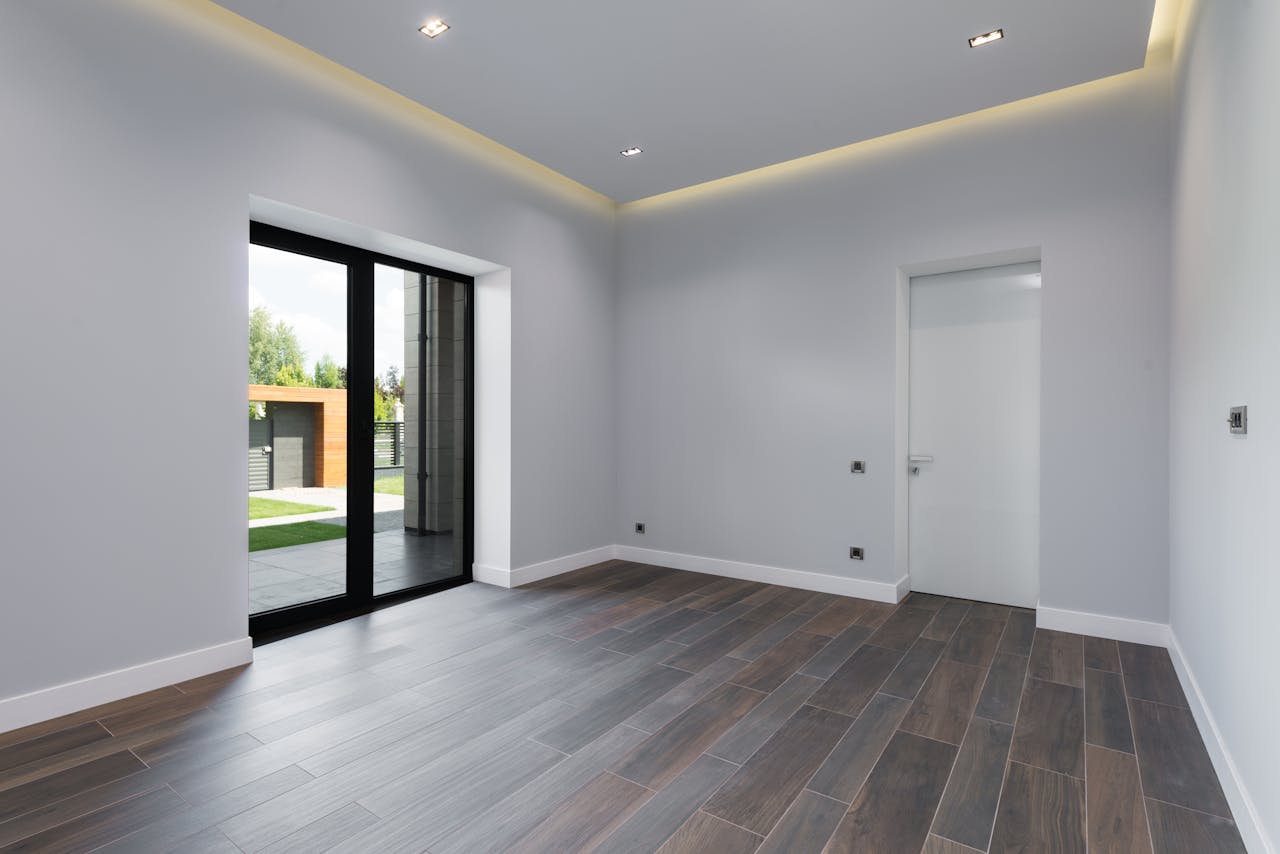
Double glazing glass consists of two panes of glass separated by a layer of air or inert gas, sealed to create an insulating barrier. This design significantly reduces heat transfer between the interior and exterior of a building, making it one of the most effective solutions for improving energy efficiency. By minimizing heat loss in winter and limiting heat gain in summer, double glazing helps maintain a consistent indoor temperature, reducing the need for excessive heating or cooling.
There are several types of double glazing tailored to different needs. Standard double-glazed units use clear glass, while advanced options may include Low-E glass, laminated glass for added security, or acoustic glass for enhanced sound insulation. The space between the panes can be filled with gases like argon or krypton, which offer superior thermal performance compared to regular air. Spacer bars and sealing techniques also vary, affecting the unit’s overall efficiency and lifespan.
Beyond energy savings, double glazing offers a range of additional benefits. It reduces external noise, enhances security by making windows harder to break, and minimises condensation build-up on interior glass surfaces. Whether you’re building a new home or upgrading existing windows, double glazing is a smart investment that adds comfort, value, and long-term performance to any property.
Ask ChatGPT